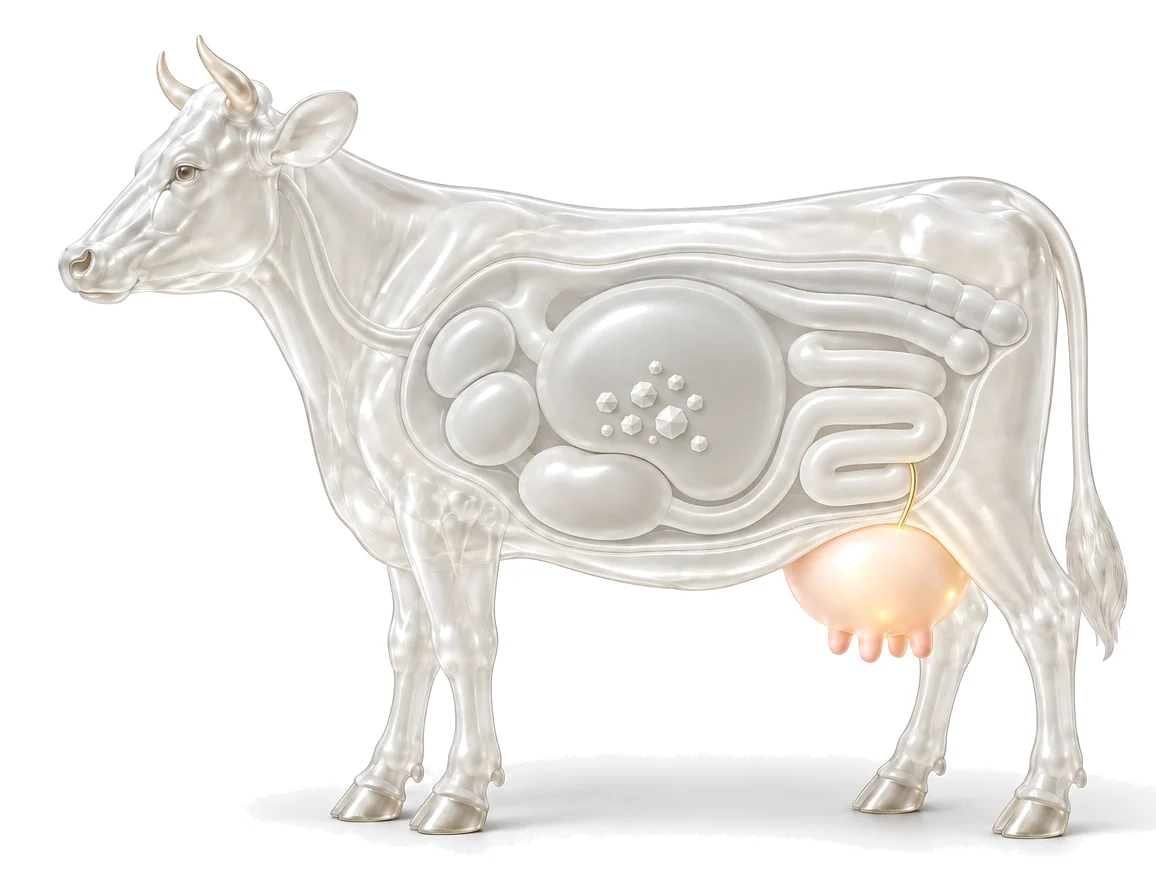
What is bypass fat?
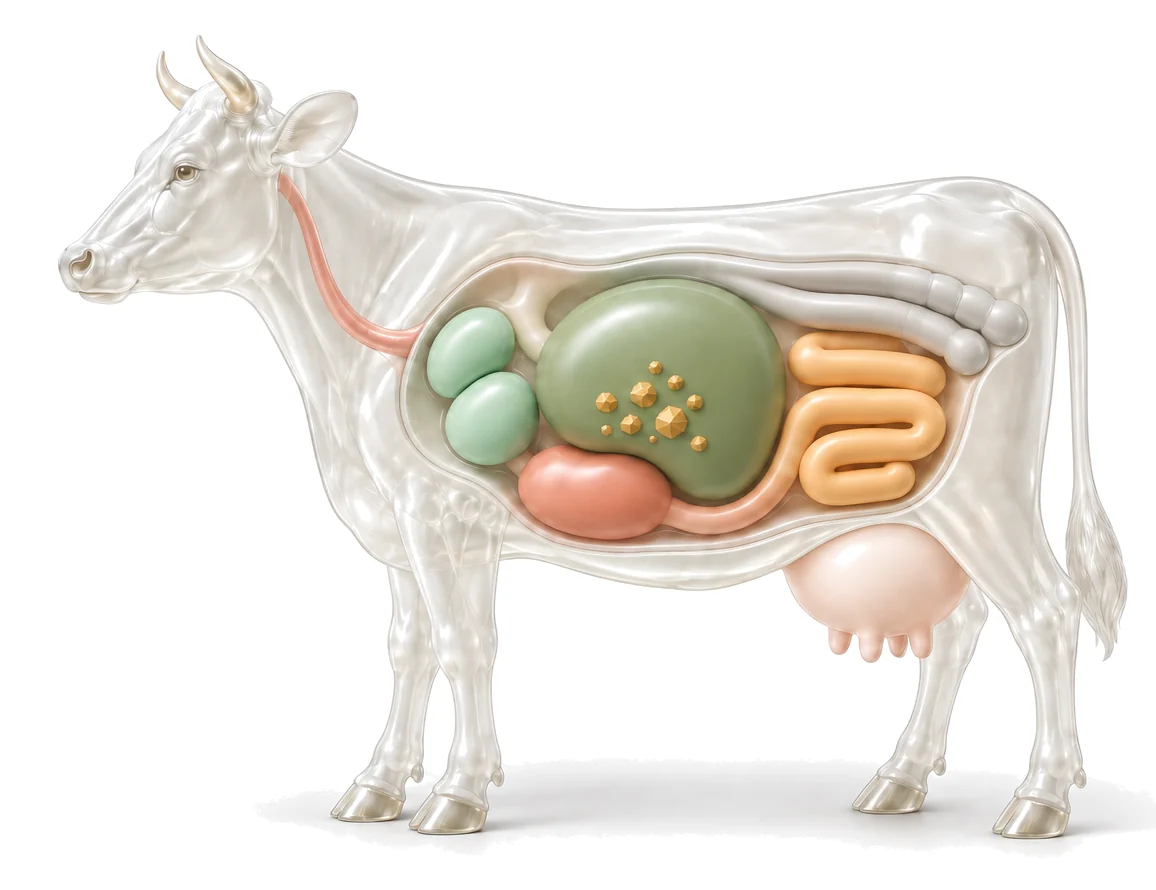
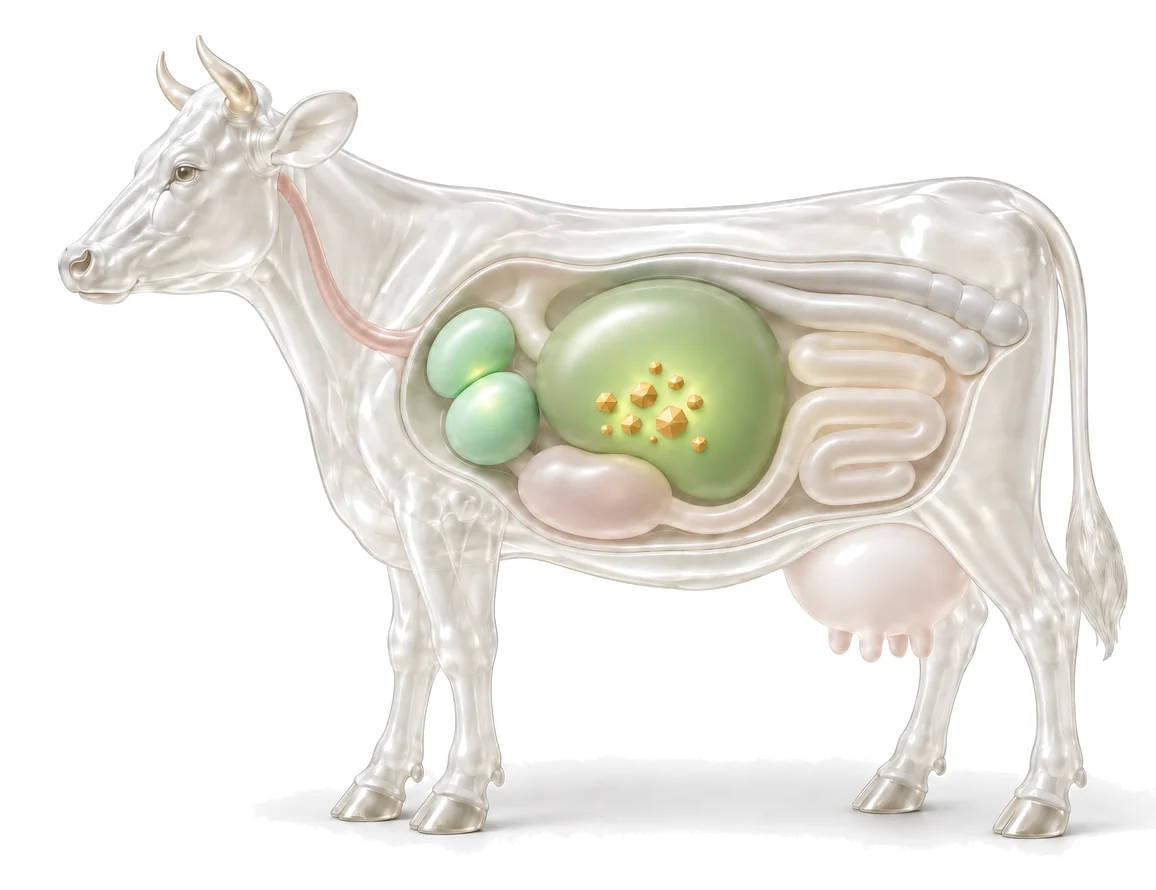
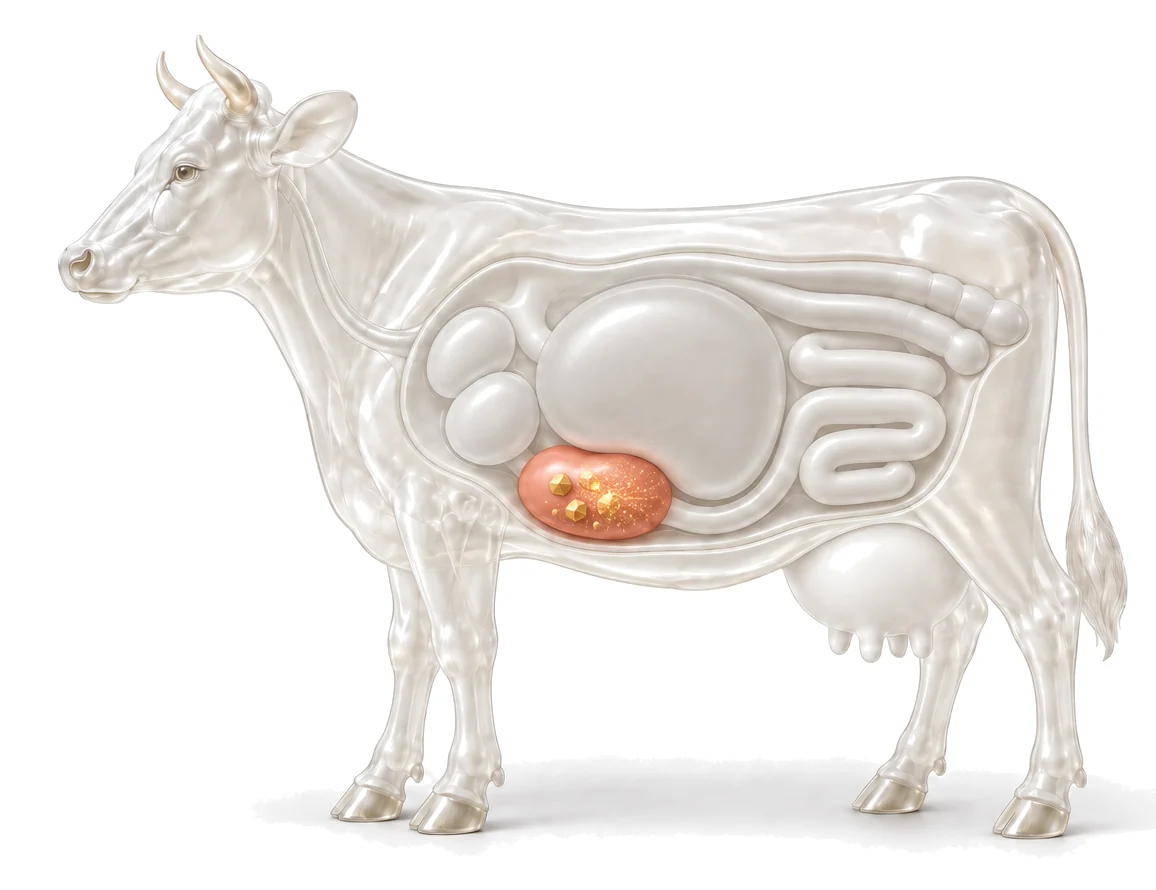
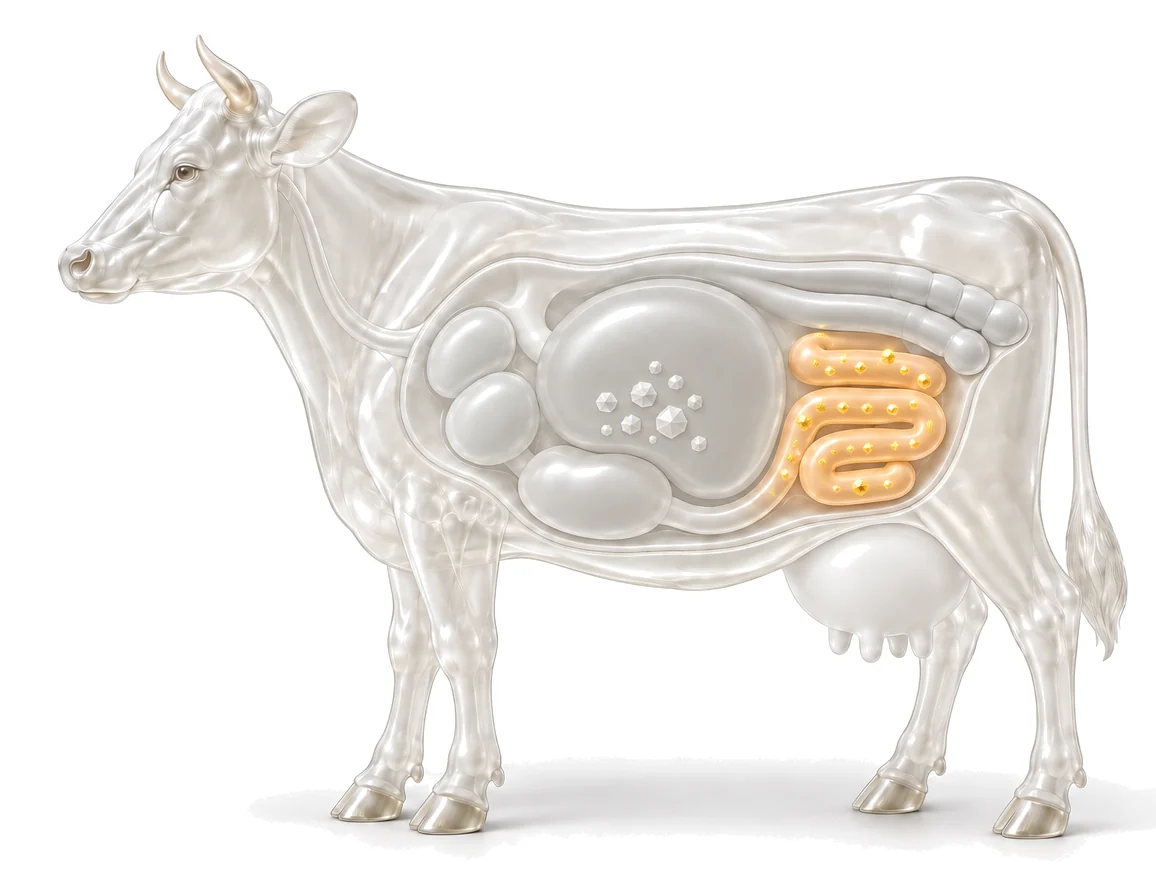
Bypass fat, also called rumen-protected fat, is a fat supplement made to pass through the rumen largely unchanged. It is then digested and absorbed in the small intestine. It adds concentrated energy to a dairy ration without disturbing fibre digestion in the rumen.
Is bypass fat the same as rumen-protected fat?
Yes. Both names describe fats that are protected from breakdown in the rumen. The main types are calcium salts of fatty acids, high-palmitic (C16:0) fats and hydrogenated fats.
Which bypass fat is best?
It depends on the result you want. Calcium salts are a common choice for overall energy and milk yield, especially in early lactation. High-palmitic C16:0 fats have the clearest research record for raising milk-fat yield. Calcium salts with a higher share of C16:0 combine both: the rumen protection of a calcium salt with more palmitic acid for milk fat.
How much bypass fat should a cow get per day?
There is no single rate. It depends on the type of bypass fat, milk yield, stage of lactation and the fat already in the ration, so it should be set by your nutritionist. Most dairy farms that use supplemental fat include it at about 0.5 to 3% of ration dry matter, and calcium salts are often tested at 0.2 to 0.6 kg per cow per day in research. Introduce it gradually.
When should bypass fat be fed?
It is most often fed from calving through early and peak lactation, when cows cannot eat enough to meet their energy needs. It is also used in high-producing herds and in hot weather, when cows tend to eat less and a denser ration helps.
Does bypass fat reduce feed intake?
It can. In one 2022 trial in grazing cows, the highest calcium-salt dose lowered dry-matter intake by about 1.2 kg per day, while milk yield rose by about 4.1 kg per day, so feed efficiency improved. The effect depends on the type of fat, the dose and the ration, which is why the rate should be set against the whole ration.
Can bypass fat be fed to beef cattle, buffalo, sheep and goats?
Yes. Rumen-protected fats are also used for beef cattle, buffalo and small ruminants. The rate and the best type depend on the species and the production goal.
Does bypass fat reduce methane?
Protected fat passes the rumen largely unfermented, so it adds little to methane production. When the extra energy supports more milk, the methane a cow produces is shared across more litres. That means lower methane per litre of milk, rather than a fixed reduction per cow.
How much does bypass fat cost?
Price depends on the type, grade, volume and destination. Contact us with your requirement and we will send a quotation and a spec sheet.